Stories, data, communities: 10 Key Hotel Marketing Trends for 2026
The demands on successful hotel marketing are higher than ever in 2026. Visibility is no longer driven by mere presence, but by relevance, differentiation, and strategic communication. Hotels that want to grow must think and act like brands—not interchangeable accommodation providers. These ten trends define what matters now.
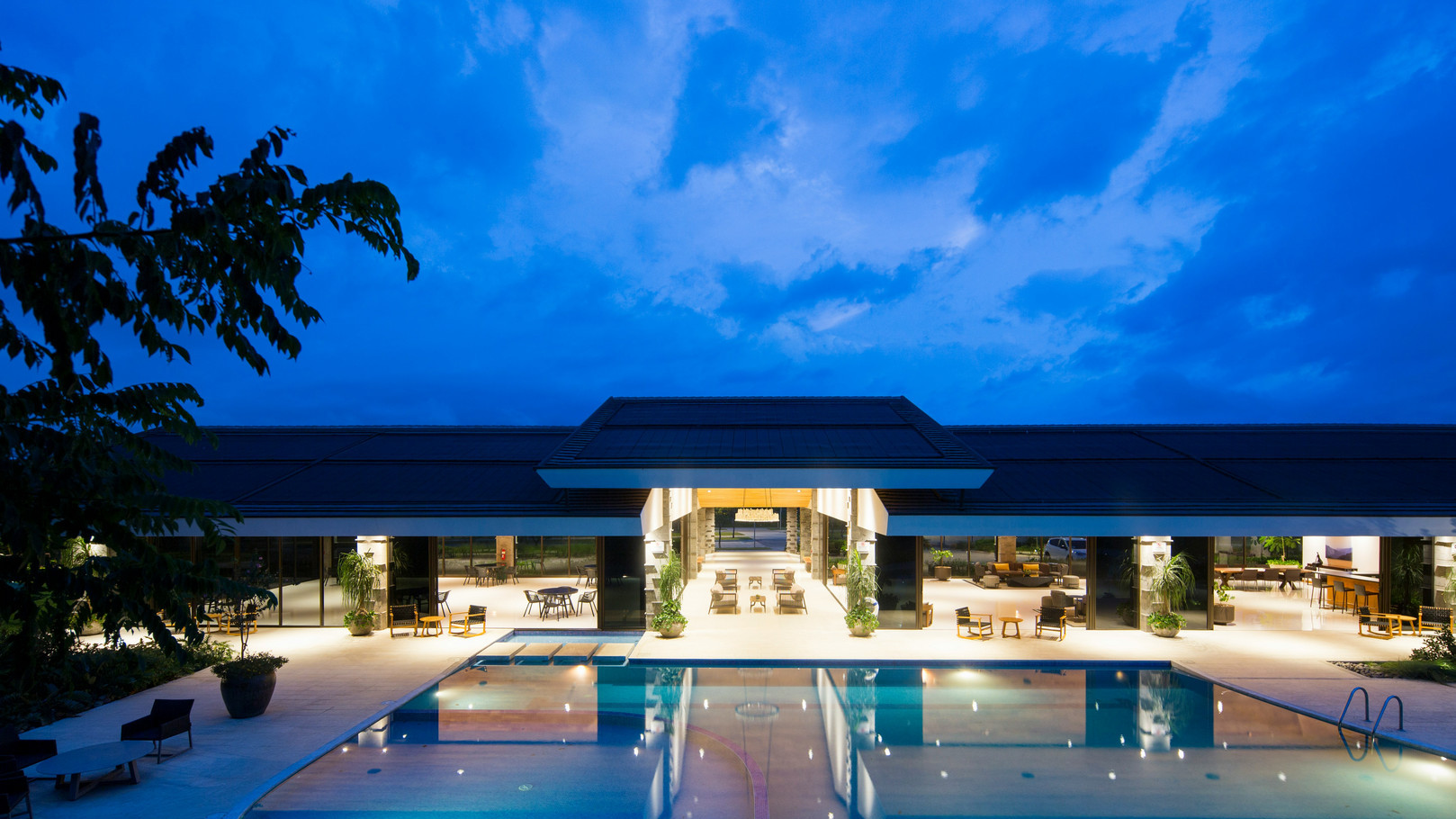
The 10 Key Hotel Marketing Trends for 2026
1. Branding Over Positioning
Hotels are evolving into distinct brands with a clear identity, strong visual language, and defined values. The unique selling proposition is no longer based on amenities, but on emotional resonance and recognizability.
2. Strategic Storytelling as the Foundation of PR
Media outlets don’t cover “nice hotels”—they cover compelling stories. Successful properties offer narratives: founding stories, architectural concepts, cultural context, or strong host personalities.
3. Long-Term Creator Partnerships
One-off influencer campaigns are losing effectiveness. Instead, hotels are investing in ongoing collaborations with selected creators who act as authentic brand ambassadors.
4. Owned Media as a Core Revenue Driver
Owned channels—website, blog, newsletter, and social media—are becoming central touchpoints in the customer journey. The goal is to reduce dependency on OTAs and increase direct bookings.
5. AI-Driven Hyper-Personalization
Data-driven communication enables tailored experiences across the entire customer journey—from personalized website content to individualized email campaigns.
6. Short-Form Video with Strategic Depth
Short-form video remains a key driver of reach, but execution is becoming more strategic: serialized formats, recurring themes, and clear messaging replace ad hoc content.
7. Experience-First Instead of Room-First
The focus is shifting from the room to the overall experience. Hotels are selling curated stays, local experiences, and exclusive moments—not just overnight accommodation.
8. Credible Sustainability
Sustainability is no longer a differentiator—it’s an expectation. What matters is transparency: concrete actions, measurable impact, and credible communication.
9. New Search Dynamics: AI & Conversational Search
Search behavior is fundamentally changing. Users are making more complex, context-driven queries. Content must be structured so that it is understood—and prioritized—by AI systems.
10. Community Building Over Pure Reach
Successful hotels are no longer targeting audiences—they are building communities. Guests become loyal brand advocates through exclusive content, events, and genuine interaction.
Hotel marketing in 2026 is no longer a collection of isolated disciplines, but an integrated system combining PR, content, data, and brand strategy.
The decisive success factor is the ability to create relevance—for media, for guests, and for digital platforms alike. Not the loudest hotels will lead, but those with the clearest story.